تعزيز ربحية إعادة تدوير المعادن في الشرق الأوسط وأمريكا الجنوبية: قوة التكوير
April 01 , 2026
يشهد قطاع إعادة تدوير الخردة المعدنية العالمي تحولاً سريعاً. فبينما تحافظ الأسواق التقليدية على استقرارها، تشهد منطقتان حالياً طفرة هائلة في نفايات المعادن الصناعية: الشرق الأوسط وأمريكا الجنوبية. وبسبب مشاريع البنية التحتية الضخمة الطموحة (مثل رؤية السعودية 2030) في منطقة الشرق الأوسط وشمال أفريقيا، وإعادة تنشيط الصناعات الثقيلة والتعدين في أمريكا اللاتينية، تواجه مرافق إعادة التدوير المحلية كميات غير مسبوقة من خردة المعادن.
مع ذلك، يأتي جزء كبير من هذه النفايات على شكل رقائق معدنية سائبة، وبرادة، ونفايات ناتجة عن عمليات التصنيع باستخدام الحاسوب (CNC) وتصنيع الهياكل الفولاذية. وتُشكّل معالجة هذا النوع من الخردة تحديات فريدة، وفرصًا مربحة للغاية لمن يمتلكون الآلات المناسبة.
التحديات الإقليمية للخردة المعدنية السائبة
لأصحاب ساحات الخردة ومصاهر المعادن في
أمريكا الجنوبية
تُحدد الخدمات اللوجستية الربحية. إن نقل قطع الألمنيوم أو الصلب السائبة منخفضة الكثافة عبر مسافات شاسعة أو تضاريس جبلية يعني أنك في الأساس "تدفع ثمن شحن الهواء". علاوة على ذلك، تتأكسد الخردة السائبة بسرعة في المناخات الرطبة، مما يفقدها قيمتها المعدنية حتى قبل وصولها إلى الفرن.
في
الشرق الأوسط
يكمن التحدي بشكل كبير في كفاءة الصهر واللوائح البيئية. فعندما تُلقى رقائق معدنية سائبة مباشرةً في فرن صهر ذي درجة حرارة عالية، قد تصل نسبة الفاقد من المعدن إلى 30% نتيجة الاحتراق والأكسدة. إضافةً إلى ذلك، قد تتسبب سوائل القطع المتبقية المتراكمة على الرقائق في انبعاث دخان كثيف واشتعال مفاجئ، مما يُخالف المعايير البيئية المحلية المتزايدة الصرامة.
الحل: الرص عالي الكثافة
للتغلب على هذه العقبات الإقليمية، تتجاوز مرافق إعادة التدوير ذات الرؤية المستقبلية عمليات التجميع والقص الأساسية. ويتمثل الحل الأمثل لمعالجة مخلفات المعادن في الاستثمار في شركة متخصصة.
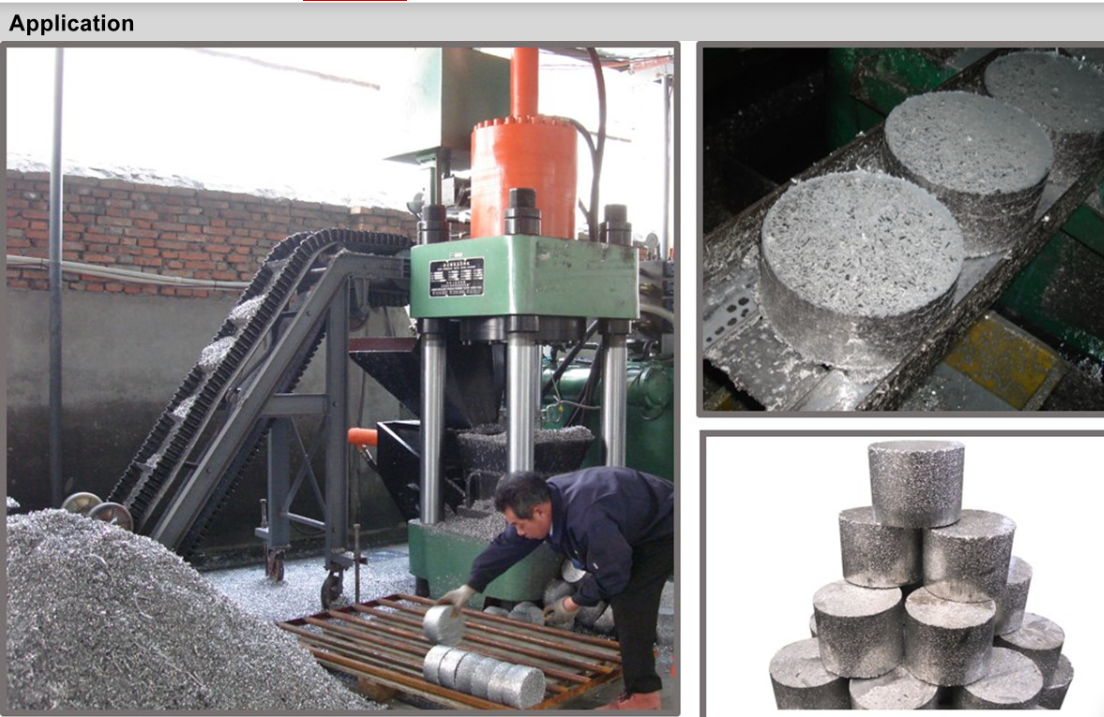
آلة تصنيع قوالب المعادن
.
من خلال تطبيق ضغط هيدروليكي هائل، تقوم هذه المعدات بضغط النفايات المعدنية السائبة وتحويلها إلى كتل أسطوانية صلبة عالية الكثافة (قوالب) دون الحاجة إلى أي مواد لاصقة أو رابطة.
إليكم السبب وراء تحول هذه التقنية إلى عامل تغيير جذري في أسواق الشرق الأوسط وأمريكا الجنوبية:
أقصى إنتاجية للصهر:
تغوص قوالب الفحم الصلبة مباشرةً في حوض المعدن المنصهر داخل الفرن، مما يقلل بشكل كبير من الأكسدة والاحتراق. وهذا بدوره يزيد من استخلاص المعدن بنسبة تتراوح بين 20% و30% مقارنةً بصهر رقائق المعدن السائبة.
استعادة سائل التبريد:
أثناء عملية الضغط العالي، يتم استخدام مادة ممتازة
مكبس قوالب رقائق معدنية
يعصر هذا الجهاز بفعالية سوائل القطع والزيوت الصناعية باهظة الثمن ويجمعها. وهذا لا يسمح فقط بإعادة تدوير الزيوت، بل يضمن أيضاً نظافة المعدن، مما يمنع انبعاث الدخان السام أثناء عملية الصهر.
الخدمات اللوجستية المُحسّنة:
تتمتع قوالب الفحم المضغوط بكثافة مماثلة للمعادن الصلبة. وهذا يسمح لشركات إعادة التدوير في أمريكا الجنوبية بزيادة حمولة كل شاحنة وحاوية شحن إلى أقصى حد، مما يقلل بشكل كبير من تكاليف الشحن لكل طن.
مصمم للبيئات القاسية
سواءً أكان العمل في حرارة صحراء الإمارات العربية المتحدة الشديدة أو في منطقة صناعية مزدهرة في البرازيل، يجب أن تُصنع آلات إعادة التدوير لتدوم طويلاً. يضمن التعاون مع مُصنِّع موثوق أن تتميز معداتك بهندسة هيكلية متينة، وأنظمة تبريد فائقة الجودة، ومكونات كهربائية موثوقة قادرة على العمل على مدار الساعة.
دمج نظام مؤتمت بالكامل
مكبس هيدروليكي لتصنيع قوالب الوقود
لم يعد إدخالها في خط المعالجة مجرد ترقية تشغيلية؛ بل أصبح ضرورة استراتيجية للبقاء في المنافسة في الأسواق الناشئة المزدهرة اليوم.
طوّر منشأة إعادة تدوير المعادن لديك اليوم وحوّل النفايات المتناثرة إلى سلع عالية القيمة. تواصل مع شركة تيون للآلات للاطلاع على مجموعتنا الكاملة من حلول الضغط عالية الأداء.

 English
 français
 русский
 español
 日本語
日本語 Tiếng Việt
 中文
中文


 عنوان : Mingjue Industry Park, Lishui District, Nanjing City, Jiangsu Province



 شبكة IPv6 مدعومة